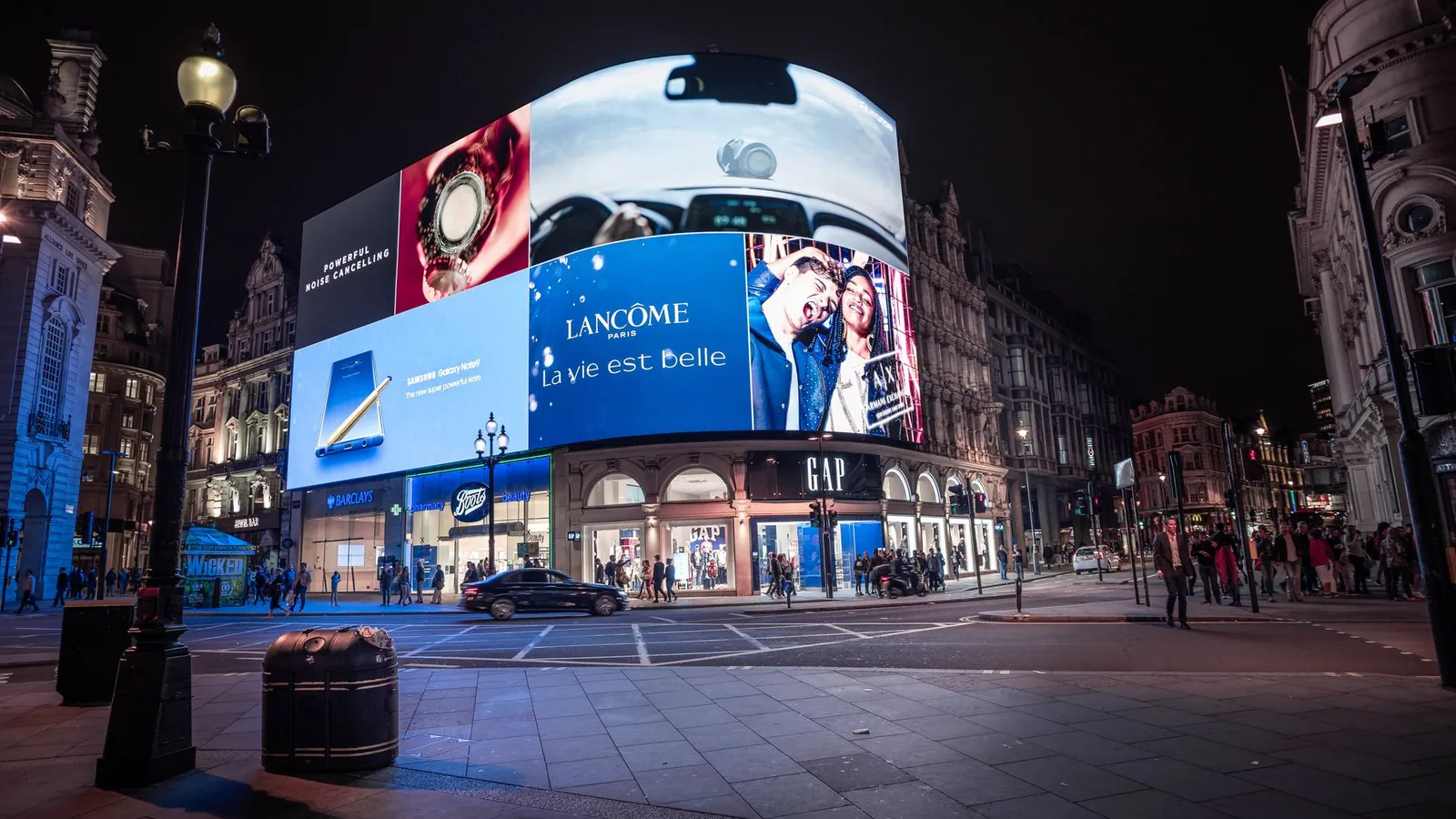
Every few years someone declares traditional marketing dead. Billboards, radio, print and TV keep showing up in budgets anyway, because they do something digital still struggles with: reaching a lot of people at the same moment and making a brand feel established.
The digital marketing vs traditional marketing debate is usually framed as a fight with one winner. That framing wastes money. The useful question is which job each one is good at, and how to make them work together so neither half of the budget is carrying the other.
This article breaks down where traditional marketing still earns its place, where digital wins, how budgets get wasted when the two are mixed badly, and a simple rule for splitting spend based on what your business needs this year.
What Traditional Marketing Still Does Better
Traditional marketing means paid placements outside the internet: TV, radio, print, outdoor advertising, direct mail, sponsorships and events. Its strengths are real, even if they're harder to measure.
Mass reach in a single moment
A national TV spot, a front-page newspaper ad or a stadium sponsorship puts the same message in front of a huge audience at once. That shared moment builds familiarity in a way scattered digital placements rarely match.
Credibility through visible spend
People read a billboard on a main road or a full-page print ad as a sign that a business is established. The cost itself sends a message: this company is here to stay. For categories where trust decides the sale, such as finance, healthcare, property and travel, that signal matters.
Reaching people offline
Radio during a commute, posters at a station, a stall at a trade show. These reach people in places where ad blockers, skip buttons and endless feeds don't exist. For local businesses in particular, a well-placed sign can outperform a month of social posts.

What Digital Marketing Does Better
Digital marketing covers search engines, social media, email, websites, display ads and video platforms. Its advantages are mostly about precision and feedback.
- It meets intent. Search ads and SEO reach people at the exact moment they're looking for a solution. Traditional media can only guess when that moment is.
- It's measurable. Clicks, form submissions, calls and sales can be traced back to a campaign, so budget can follow results.
- It's fast to change. A digital campaign can be tested, paused or scaled in days. A print run or broadcast slot is booked weeks ahead.
- Some of it compounds. A well-ranked page or a useful guide keeps bringing in visitors long after it's published, unlike a media buy that stops working when the budget does.
- It can start small. A local business can run a search campaign on a modest monthly budget. Traditional channels usually have a much higher minimum spend.
Digital Marketing vs Traditional Marketing at a Glance
| Traditional marketing | Digital marketing | |
|---|---|---|
| Best job | Broad awareness and trust | Capturing intent and driving action |
| Targeting | By audience, area and time slot | By search terms, interests, location and behavior |
| Measurement | Indirect, through surveys, lift and trends | Direct, through tracked clicks and conversions |
| Speed to change | Weeks | Hours to days |
| Minimum budget | Usually high | Can start small |
| Lasting value | Fades when spend stops | Paid fades; SEO and content keep working |
Where Budgets Actually Get Wasted
The most common mistake isn't picking the wrong type of channel. It's giving a channel the wrong job.
A business runs a radio campaign that gets people talking, but its website doesn't rank for its own name and has no clear way to get in touch. Interested listeners search, find a competitor or a directory listing, and the radio spend ends up generating someone else's leads.
The opposite happens too. A business in a brand-new category pours money into search ads, but almost nobody is searching for the product yet. The ads have no demand to capture, and the conclusion becomes "digital doesn't work for us" when the real problem was awareness.
Traditional builds the room; digital finds out who's ready to walk in. Skip either job and the other one works twice as hard for half the result.
A Simple Rule for Allocating Spend
Start from the goal, not the channel.
If the goal is measurable leads or sales within a quarter, weight the budget toward digital: SEO, paid search and content that capture people already looking. These channels give you data quickly and let you move money toward what works.
If the goal is awareness or trust in a market where you're largely unknown, brand channels earn a bigger share. That can mean traditional media, or digital brand formats such as online video, sponsorships and PR. Keep digital demand capture running alongside them, so the attention you create has somewhere to land.
Most businesses need some of both. The ratio depends on how many people already know what you sell. The less your category is searched for, the more you need to create demand before you can capture it.
Read more: Building a Digital Marketing Strategy That Actually Moves Revenue

The Hybrid Model Most Brands Should Run
In practice, the strongest results come from sequencing, not choosing sides. Brand activity, traditional or digital, creates an awareness spike. Search, retargeting and a strong website are ready to catch the people that spike sends looking.
To make that work, three things have to be in place before any brand campaign launches:
- Your website ranks first for your brand name and clearly explains what you do.
- Your Google Business Profile is complete and matches the name and details used in the campaign.
- Every ad, poster or spot uses a memorable name or short web address people can search.
How to Measure Traditional Marketing's Effect Online
Traditional campaigns rarely get credit in analytics, because nobody clicks a billboard. Their effect shows up indirectly, and you can track it if you know where to look.
- Branded search. Watch searches for your business name in Google Search Console during and after a campaign.
- Direct traffic. Visits from people typing your web address tend to rise when offline campaigns run.
- Unique codes and addresses. A dedicated phone number, discount code or short URL on each traditional placement gives you a clean signal.
- Lift tests. Run the campaign in one city or region and compare enquiries against a similar area without it. Google Ads also offers Conversion Lift studies for measuring the extra impact of digital campaigns.
Measuring the two separately misses the interaction. Much of traditional marketing's return arrives as better results from digital channels, which never shows up in a channel-by-channel report.
Frequently Asked Questions
Is traditional marketing still effective in 2026?
Yes, for the right job. TV, radio, print and outdoor advertising still build broad awareness and credibility quickly. They work best when digital channels are in place to capture the interest they create.
Which is cheaper, digital or traditional marketing?
Digital marketing usually has a lower minimum spend and lets you stop or change campaigns quickly, which makes it easier for small businesses to start. Traditional media often needs a larger upfront commitment, but can reach a large audience at once.
Can a small business skip traditional marketing entirely?
Many can, especially when customers already search for what they sell. Local businesses often still benefit from inexpensive traditional formats such as signage, flyers, local radio or community sponsorships.
How do I measure traditional marketing results?
Track indirect signals: searches for your brand name, direct website visits, enquiries using a unique phone number or code, and lift in areas where the campaign ran compared with areas where it didn't.
Give Each Channel the Right Job
Digital marketing vs traditional marketing was never really a contest. Traditional media is good at making people aware of you and trusting you. Digital is good at reaching people when they're ready and proving what worked.
Before your next campaign, write down the job it's meant to do: create demand or capture it. Then check that the other half is ready, whether that means a website that ranks for your name or enough awareness that people know to search for you.